Santa Ana winds can trigger power shutoffs in San Diego, and a properly installed generator hookup is the safest way to keep your home running when they do. A hookup connects a generator to your electrical system through a transfer switch or interlock, so you can power essential circuits without risking your family, your home, or utility workers. With wildfire and wind season underway, now is the time to plan, before an outage forces the decision.
Why Santa Ana Winds Lead to Power Shutoffs in San Diego
When strong, dry Santa Ana winds combine with low humidity and elevated fire danger, SDG&E may carry out a Public Safety Power Shutoff (PSPS). The utility turns off power on certain lines on purpose, to reduce the chance that damaged or windblown equipment sparks a wildfire.
A few things are worth knowing:
- Power stays off as long as the risk lasts. Outages continue while high winds threaten the electrical system, which can mean hours or longer, and sometimes more than one shutoff in the same wind event.
- You don’t have to live in the windiest area. High winds can affect upstream lines that feed your neighborhood, causing downstream outages even where conditions at your home seem calm.
- PSPS isn’t the only risk. Wind can also bring down tree limbs and cause unplanned outages that have nothing to do with a planned shutoff.
For homeowners across North County, a reliable backup plan is part of getting ready for fire season.
What Is a Generator Hookup?
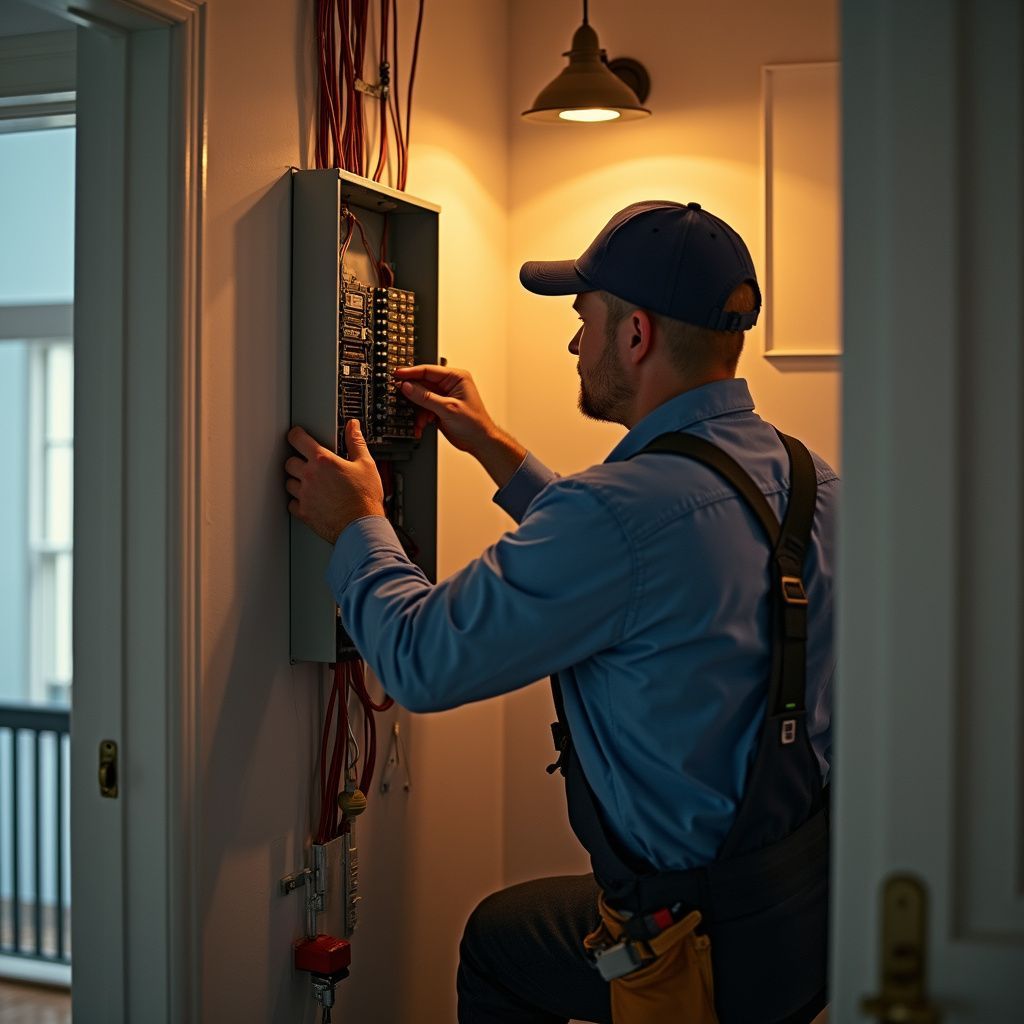
A generator hookup is a permanent, code-compliant connection between a generator and your home’s electrical panel. Instead of running extension cords through windows, you connect the generator to a dedicated inlet or transfer system that safely powers selected circuits, such as lights, the refrigerator, internet, and medical equipment.
Portable vs. Standby Generators
- Portable generators are less expensive and can be moved and stored, but they’re started manually, need fuel on hand, and run outdoors. They’re a common choice for powering essential circuits through a transfer switch or interlock.
- Standby generators are permanently installed outside the home, typically fueled by natural gas or propane, and can start automatically when the power goes out. They cost more, but they provide hands-off backup, which matters during a long outage or when you’re away.
The right choice depends on your budget, how much of your home you want to power, and how long outages tend to last where you live. ASAP Electric installs stand-alone generators and generator hookups for homes and businesses.
Safe Ways to Connect a Generator to Your Home
There are three safe, code-compliant approaches:
- Manual transfer switch: A separate switch panel connects selected circuits to the generator and keeps them isolated from the utility grid.
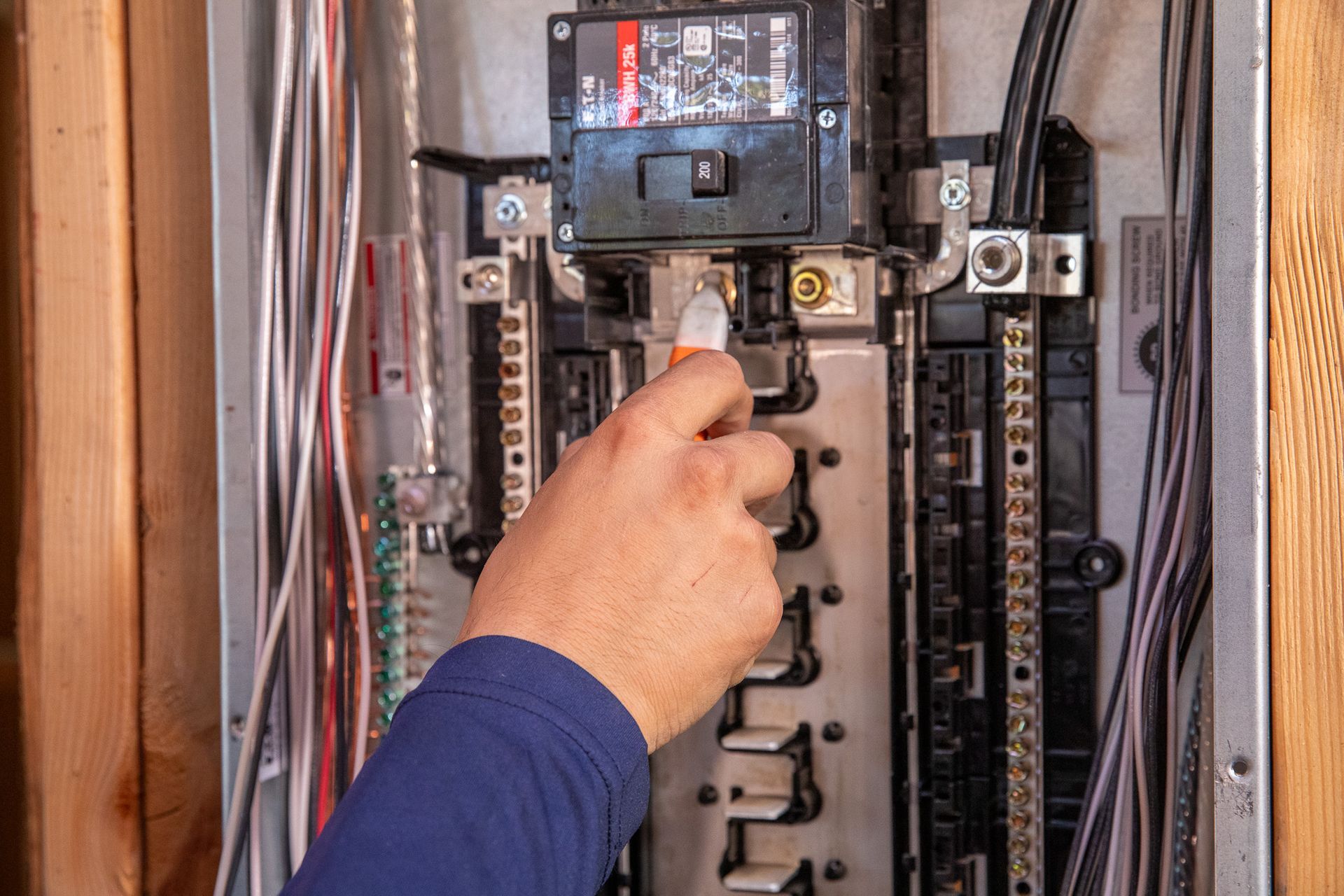
- Generator interlock kit: A mechanical device installed on your main panel that prevents the main breaker and generator breaker from being on at the same time, used with a generator inlet.
- Automatic transfer switch: Used with standby generators, it detects an outage, starts the generator, and switches your home over automatically.
Never “Backfeed” a Generator
Plugging a generator into a wall outlet with a homemade cord, known as backfeeding, is extremely dangerous and illegal. It can energize utility lines and seriously injure or kill line workers, and it can damage your home’s wiring or start a fire. A transfer switch or interlock is what makes a generator connection safe.
How Big a Generator Do You Need?
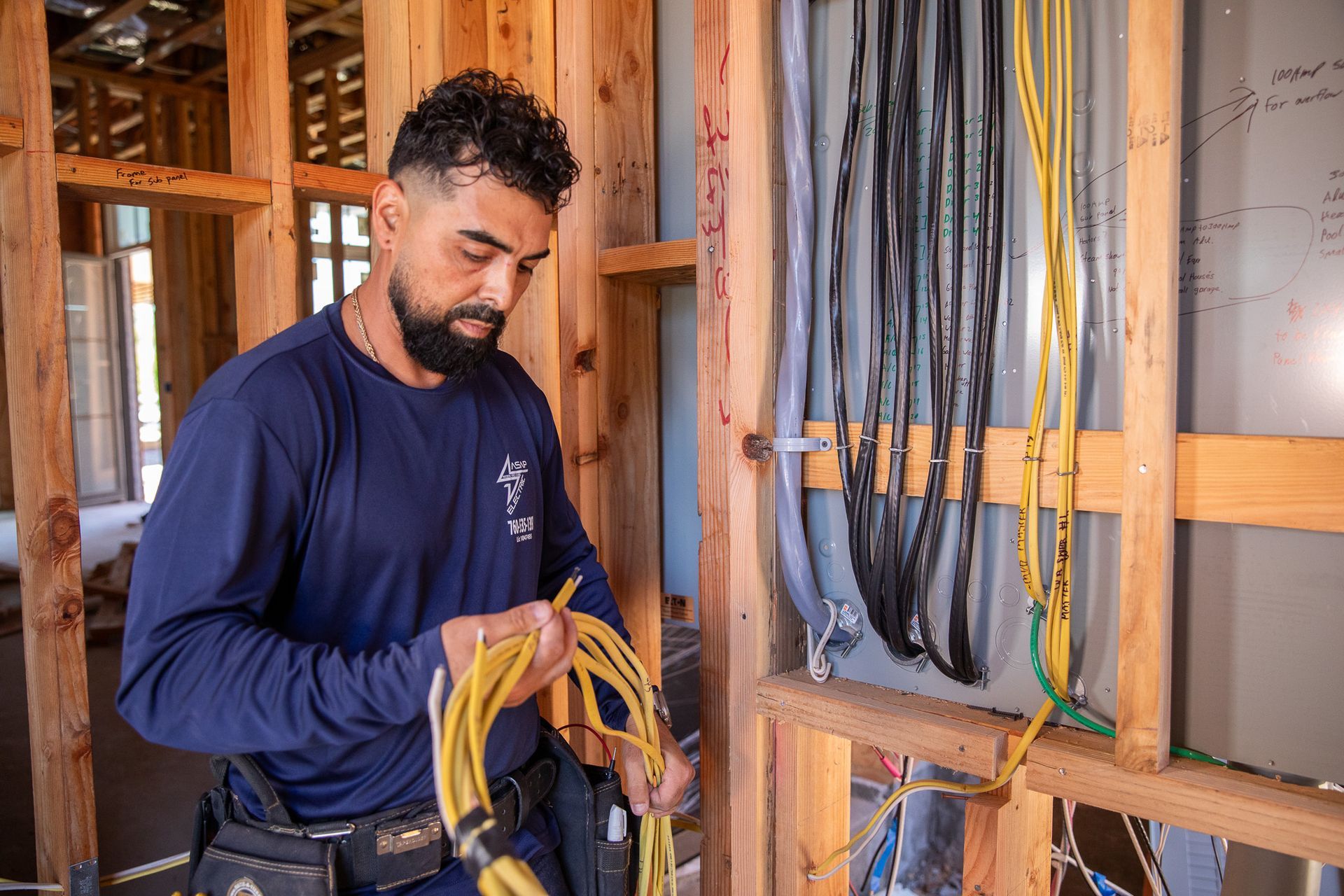
Sizing starts with deciding what you want to run. Common priorities include the refrigerator and freezer, lights, internet and phone chargers, medical devices, garage doors, and possibly a furnace fan or well pump. An electrician calculates the electrical load of these circuits to determine the generator size and transfer setup that fits.
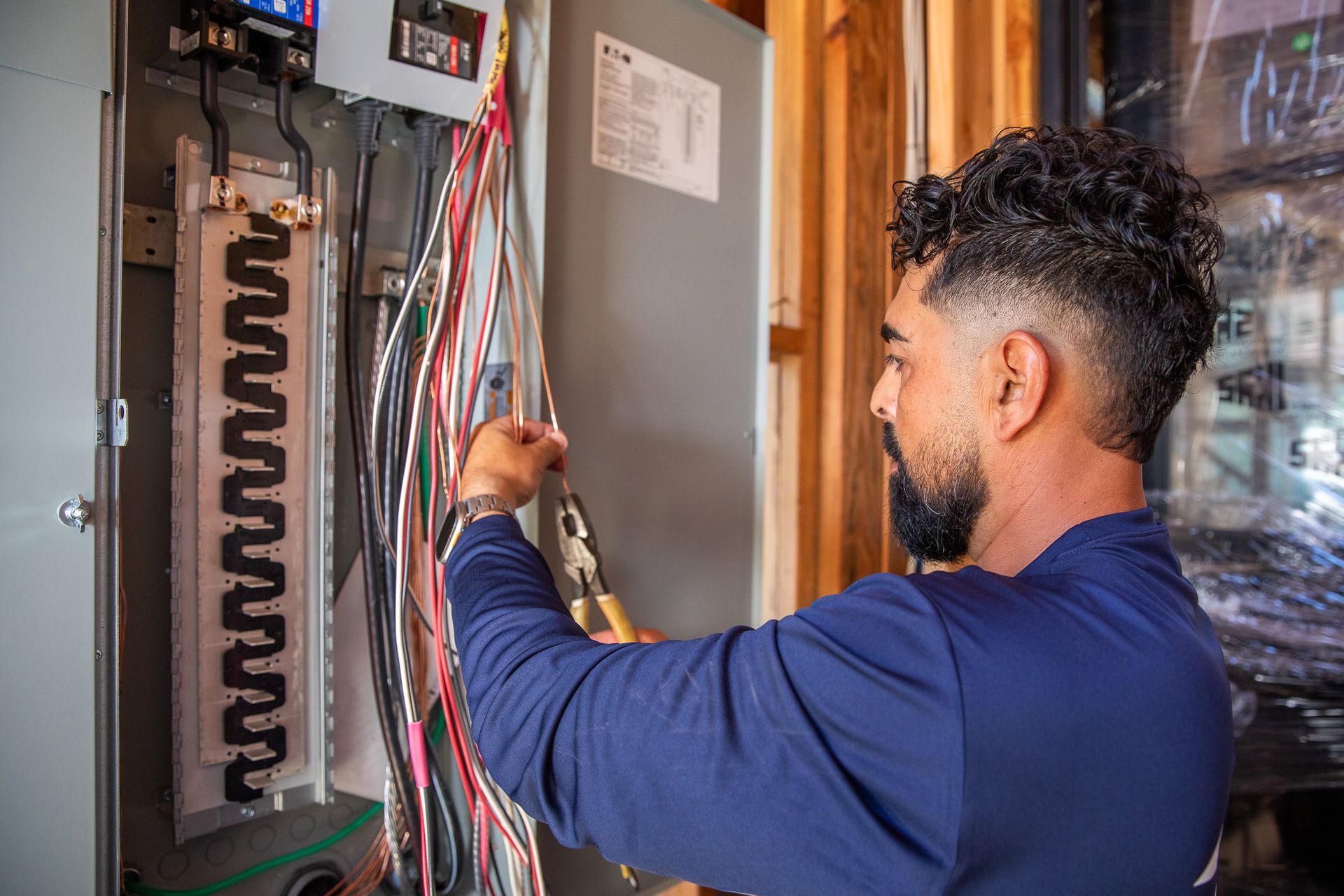
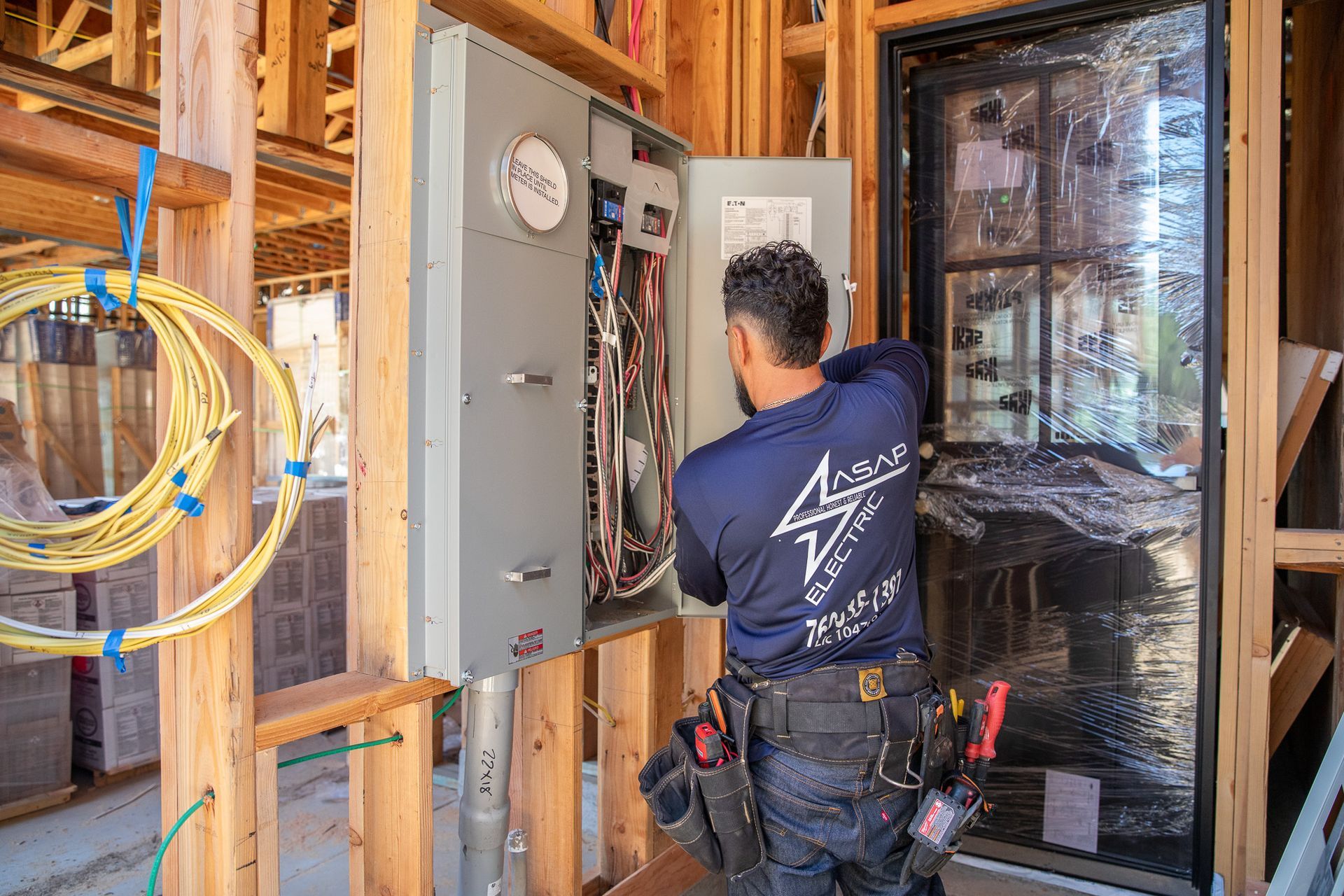
Your panel matters too. Older or maxed-out panels may need work before a generator can be connected safely. If yours is outdated, a panel upgrade can be part of the project.
Get Ready Before Outage Season
- Decide which circuits and appliances you want to back up
- Have your electrical panel and wiring inspected
- Choose a generator type and size that fits your needs
- Schedule installation before a wind event hits, since demand rises quickly once a shutoff is announced
- Test the system, store fuel safely, and keep manuals and instructions handy
Generator Hookup FAQs
Do I need a permit for a generator hookup in San Diego?
Generator connections like transfer switches and interlocks are electrical work that typically requires a permit and inspection. A licensed electrician can handle that for you.
Can I plug a generator into a wall outlet?
No. That’s backfeeding, and it’s dangerous and illegal. Use a transfer switch or interlock installed by a licensed electrician.
What size generator do I need for my home?
It depends on what you want to power. An electrician can calculate your load and recommend a size and setup.
How long do Santa Ana power shutoffs last?
It varies. Power typically stays off as long as high winds and fire danger continue, so planning for an extended outage is wise.
Generator Hookups From a Licensed North County Electrician
ASAP Electric is a licensed electrician serving North County San Diego, including Oceanside, Carlsbad, Encinitas, Fallbrook, Bonsall, San Marcos, and Escondido. We provide permitted, inspected, code-compliant generator hookups and electrical work, so your home is prepared before the next Santa Ana wind event.