For many homeowners, a whole-house rewire sounds like a major and intimidating project — and in many ways, it is. Rewiring involves replacing outdated or unsafe electrical wiring throughout the home to improve safety, reliability, and capacity for modern electrical demands.
But while the process is extensive, working with an experienced electrician makes the project far more manageable than many homeowners expect.
At ASAP Electric, we help homeowners throughout San Diego County modernize aging electrical systems with safe, code-compliant rewiring solutions designed for today’s homes and future energy needs.
What Is a Whole-House Rewire?
A whole-house rewire involves replacing outdated electrical wiring, circuits, outlets, switches, and sometimes the electrical panel itself. Older homes may still contain ungrounded wiring, aging breaker panels, aluminum wiring, or electrical systems that were never designed to support modern appliances and technology.
Today’s homes place far greater demand on electrical systems than homes built decades ago. HVAC systems, EV chargers, home offices, large kitchen appliances, smart home devices, and expanded entertainment systems all require additional electrical capacity and updated safety protections.
A complete rewire updates the home’s infrastructure to current electrical code standards while improving reliability, efficiency, and overall safety.
Signs Your Home May Need Rewiring
Many homeowners first realize rewiring may be necessary after experiencing recurring electrical issues. Flickering lights, frequently tripped breakers, buzzing sounds inside walls, warm outlets, or burning odors can all indicate aging or overloaded wiring.
Older homes with two-prong outlets or limited breaker capacity may also struggle to safely support today’s electrical usage demands. In some cases, homeowners begin exploring rewiring during a major remodel, home addition, or electrical panel upgrade.
Even if problems seem minor, outdated wiring can create serious fire and safety risks if left unaddressed.
Step 1: Initial Inspection and Electrical Assessment
They also assess attic access, crawl spaces, wall construction, and any areas that may affect installation complexity.
At ASAP Electric, we evaluate not only the home’s current electrical needs, but also future demands such as EV charging, backup power systems, remodels, or appliance upgrades.
Step 2: Designing the New Electrical System
Once the assessment is complete, the new electrical layout is planned. This stage involves determining how circuits will be distributed throughout the home and ensuring the system can safely support modern energy demands.
In many cases, homeowners use rewiring projects as an opportunity to improve outlet placement, add dedicated appliance circuits, upgrade lighting, or prepare for future technology upgrades.
Modern rewiring projects also typically include updated safety protections such as GFCI and AFCI breakers, improved grounding, and expanded electrical panel capacity where needed.
Step 3: Permits and Project Preparation
Whole-house rewires require permits and inspections to ensure all work complies with local and national electrical codes.
A licensed electrician handles the permitting process, coordinates inspections, and ensures the project meets current safety requirements. This step is critical because improperly installed wiring can create significant long-term safety hazards.
Before work begins, homeowners are usually informed about scheduling, temporary power interruptions, wall access areas, and what parts of the home may be affected during construction.
Step 4: Removing Old Wiring and Installing New Circuits
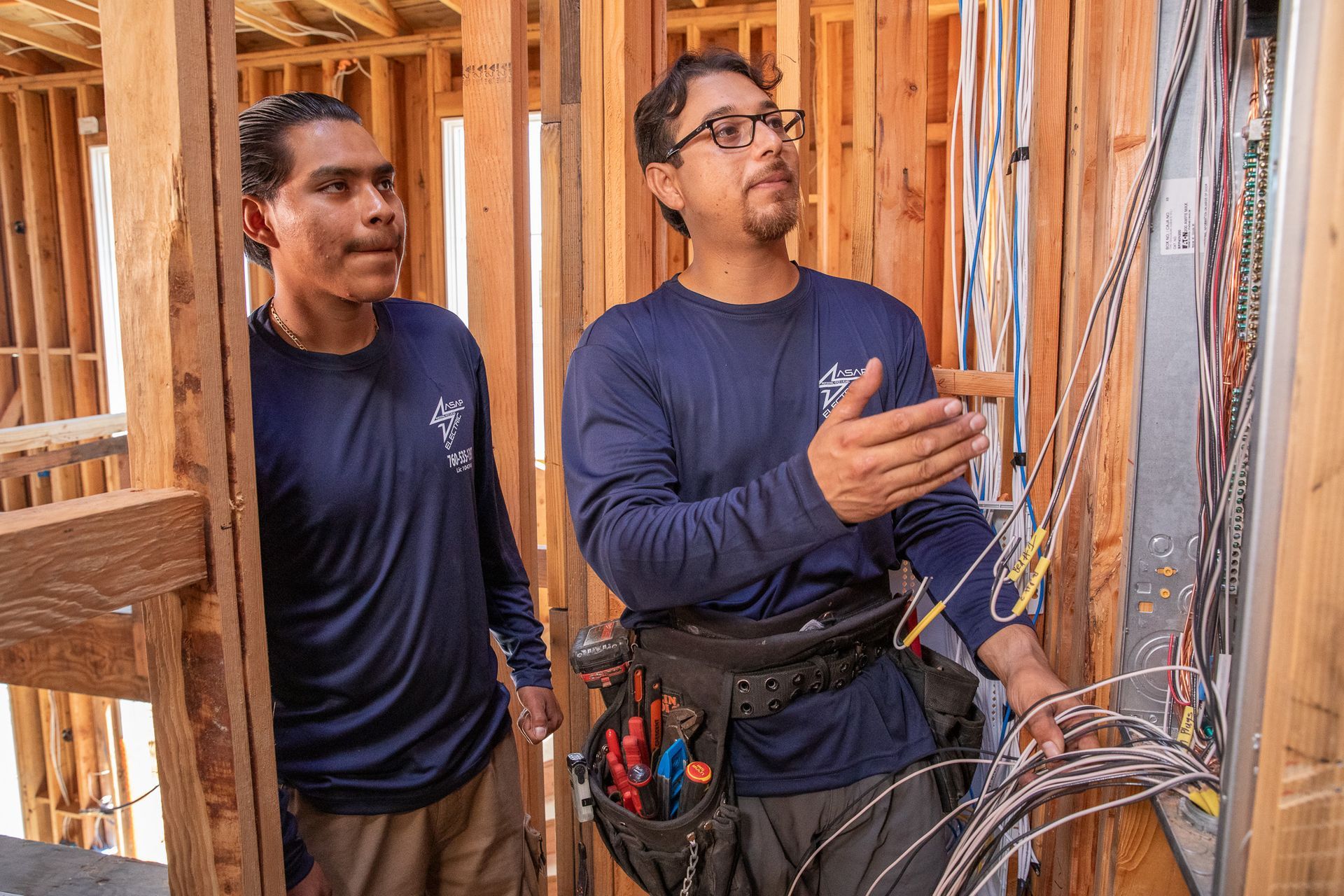
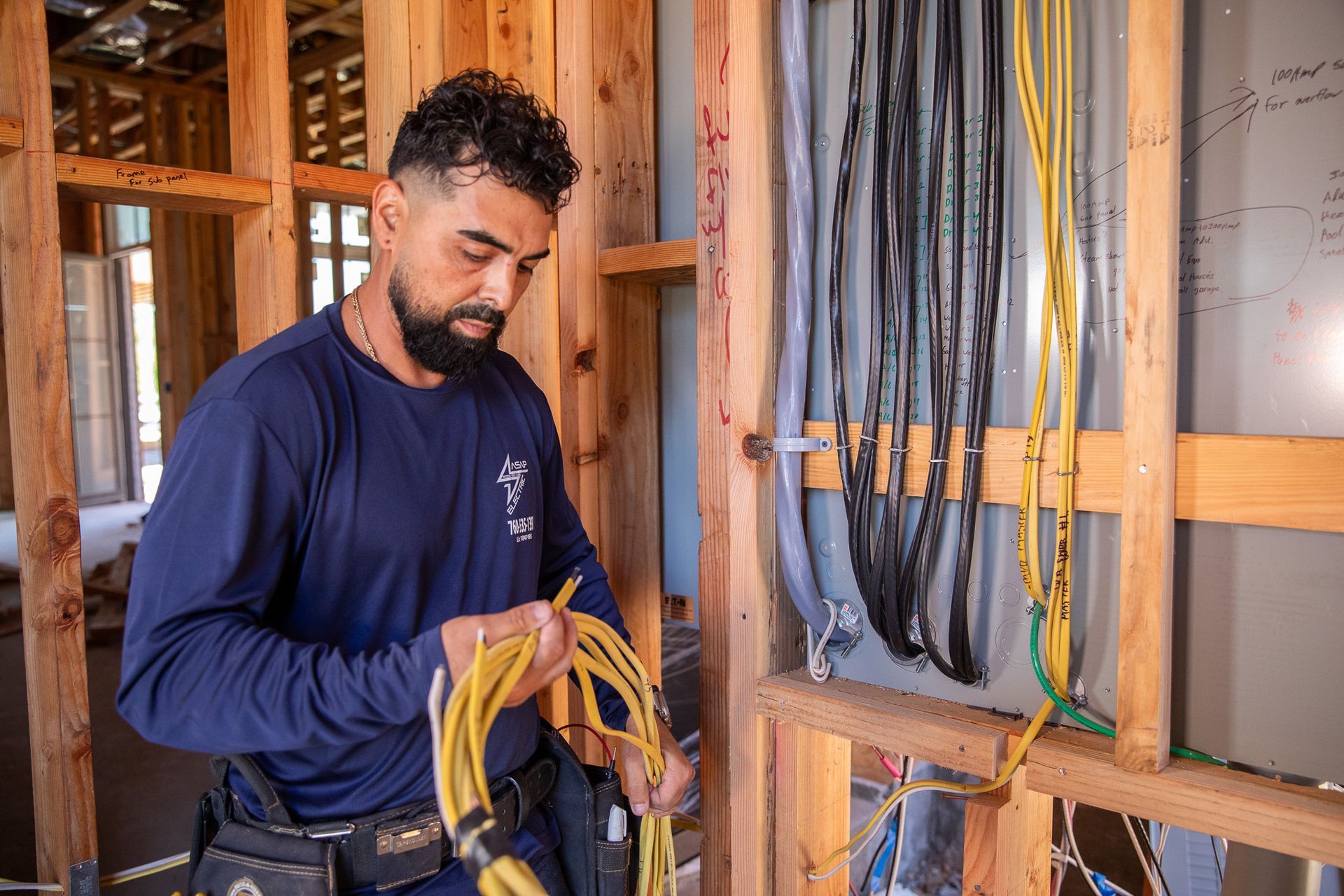
Depending on the home’s structure, electricians may route wiring through attics, crawl spaces, or inside walls. In many homes, portions of drywall may need to be opened to access older wiring systems or install updated electrical components.
During this phase, new outlets, switches, fixtures, and breaker connections are also installed.
While rewiring can temporarily create some disruption, experienced electricians work carefully to minimize damage and keep the project as organized and efficient as possible.
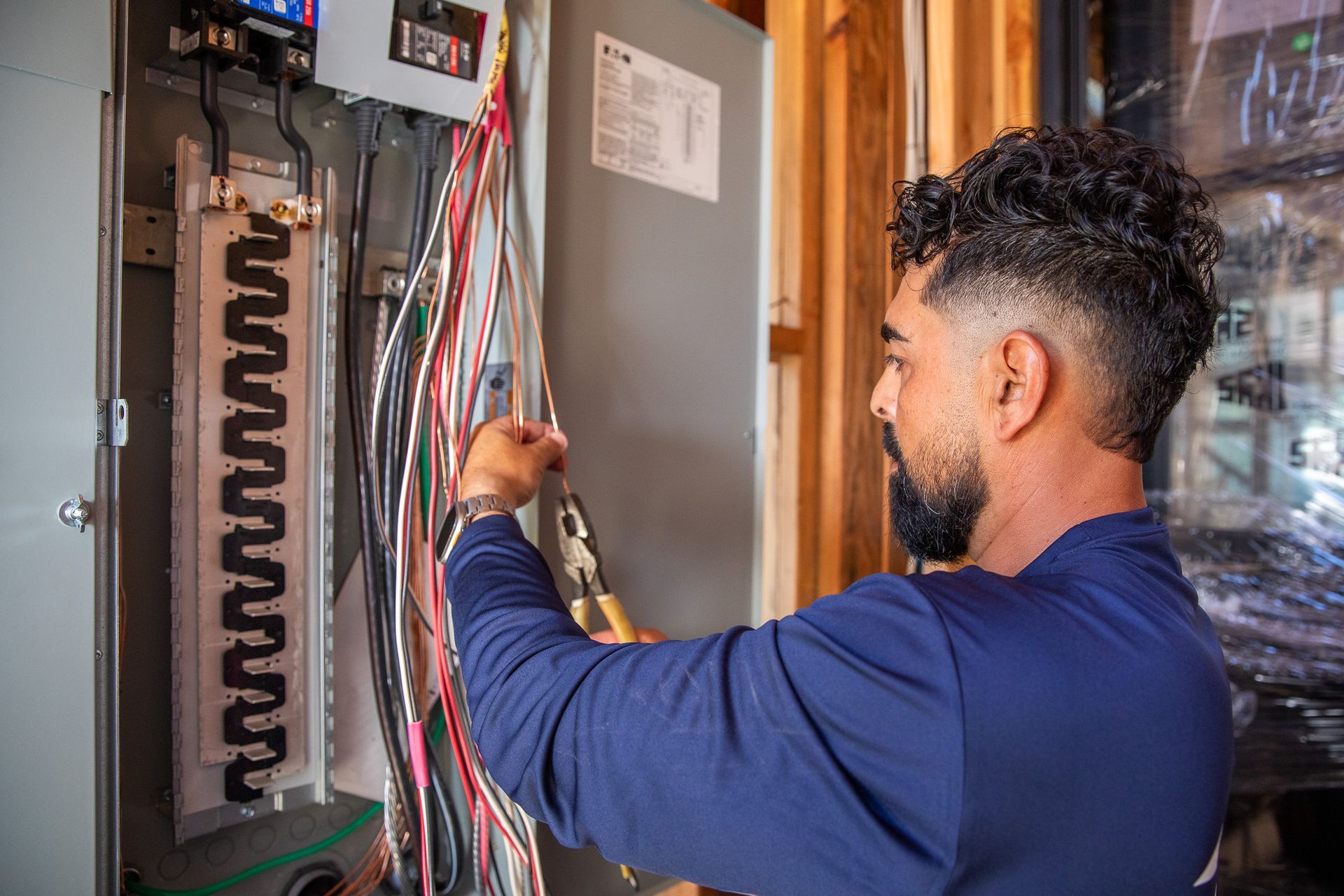
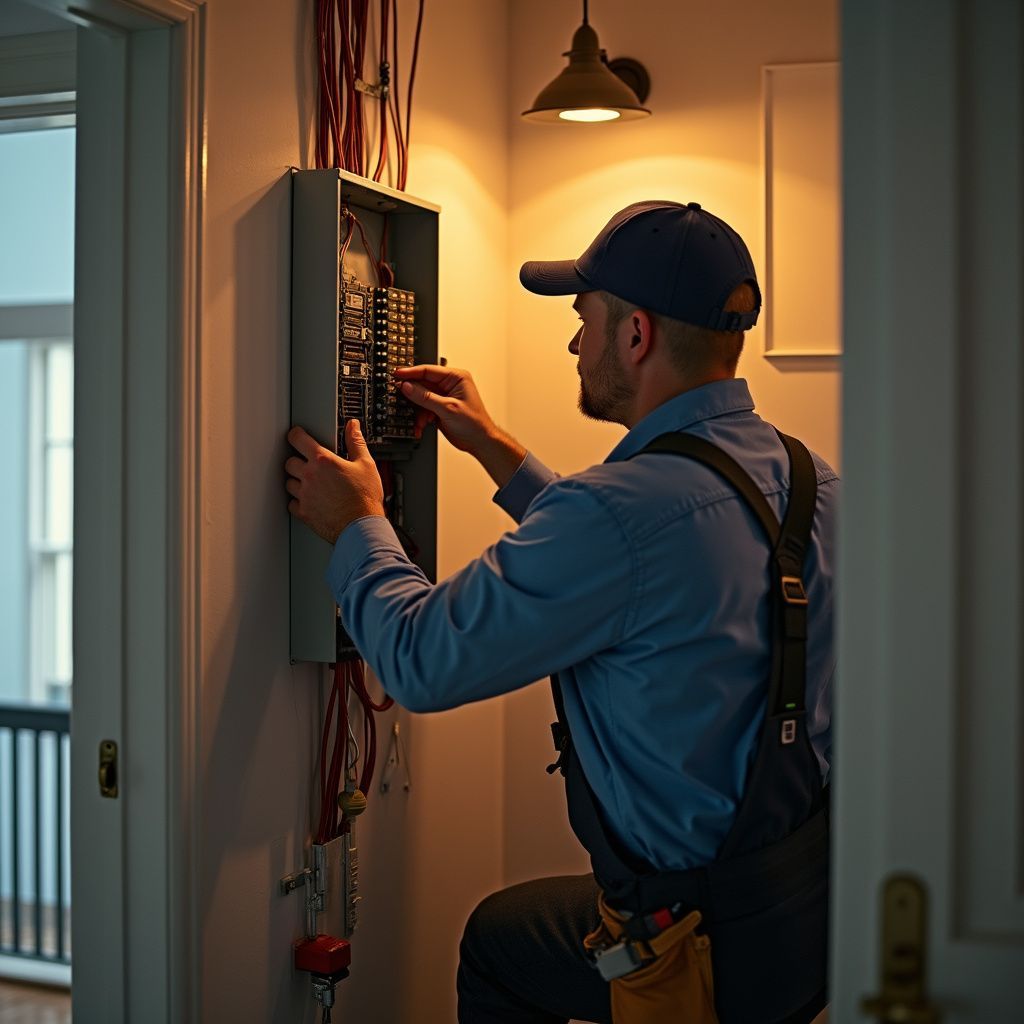
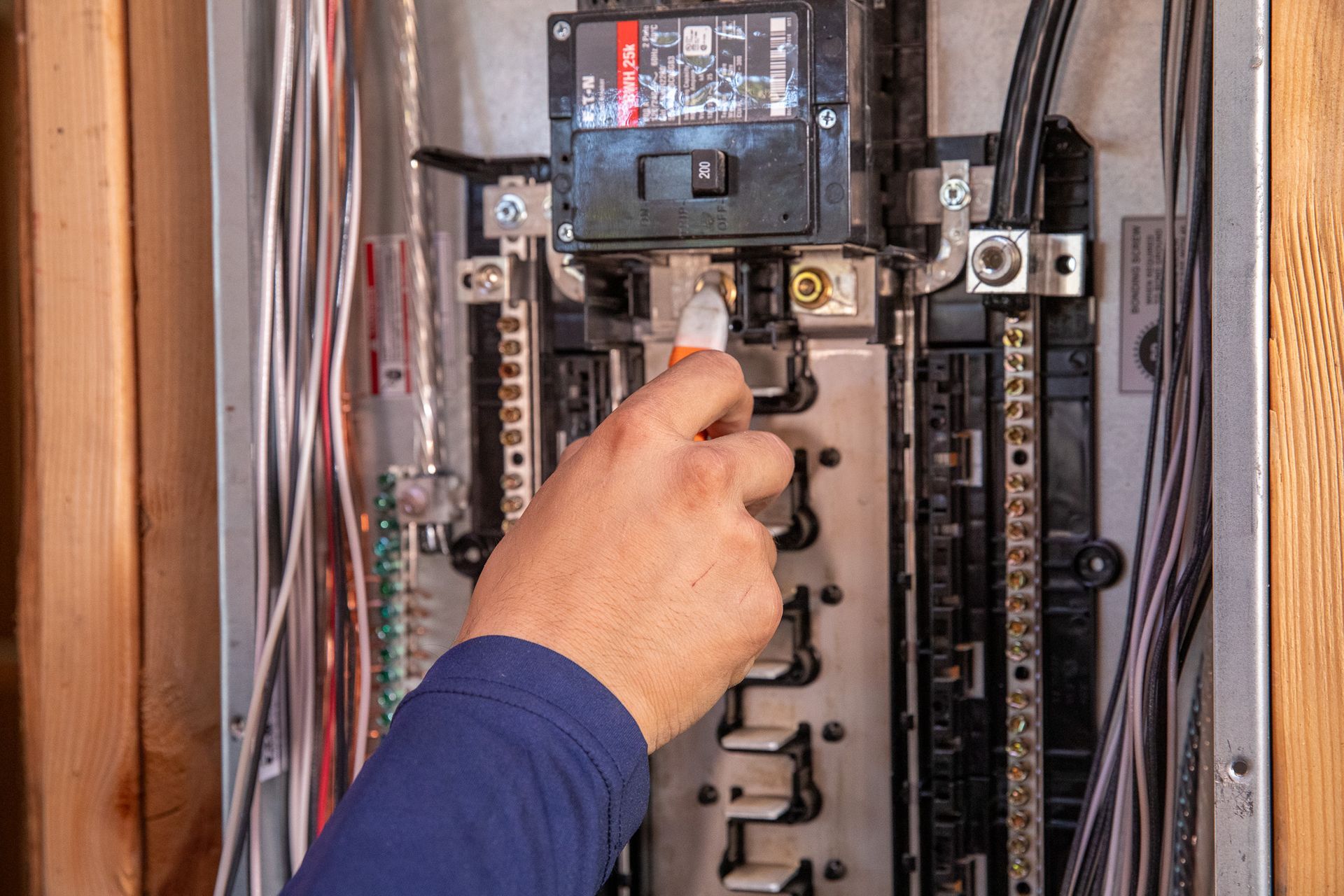
Step 5: Electrical Panel Upgrades and Safety Improvements
A panel upgrade can provide additional breaker space, improved overload protection, and compatibility with newer appliances and technologies.
Updated systems also include important safety improvements such as proper grounding, arc fault protection, and ground fault protection in required areas of the home.
These upgrades significantly improve both electrical safety and system reliability.
Step 6: Testing and Final Inspection
After installation is complete, the electrical system undergoes thorough testing to ensure everything operates safely and correctly.
Electricians verify proper grounding, breaker function, outlet polarity, circuit performance, and code compliance throughout the home.
The final inspection confirms the rewiring project meets all required safety standards before the work is officially completed.
How Long Does a Whole-House Rewire Take?
The timeline for a whole-house rewire depends on several factors, including the size of the home, accessibility inside walls, the condition of the existing wiring, and whether the electrical panel also requires replacement.
Some smaller homes may take less than a week, while larger or more complex projects can take several weeks to complete.
Homes with difficult attic access, older construction methods, or extensive drywall work may require additional labor and scheduling time.
What Impacts Whole-House Rewire Cost?
The biggest cost factors typically include:
- Square footage of the home
- Age of the electrical system
- Accessibility of wiring pathways
- Electrical panel upgrades
- Permit requirements
- Number of circuits needed
- Drywall repair and restoration
- Specialty electrical upgrades
Because rewiring is labor-intensive, the layout and accessibility of the home often play a major role in the overall project cost.
Benefits of a Whole-House Rewire
Although rewiring is a major investment, it provides important long-term benefits for homeowners.
Updated electrical systems improve safety, reduce fire risks, increase system reliability, and provide the electrical capacity needed for modern living. Rewiring can also increase home value, simplify future remodeling projects, and improve compatibility with insurance requirements.
For many older homes, a whole-house rewire is one of the most important infrastructure upgrades a homeowner can make.
Professional Whole-House Rewiring in San Diego
A whole-house rewire requires careful planning, technical expertise, and strict attention to electrical safety standards. Choosing an experienced licensed electrician helps ensure the project is completed efficiently, safely, and built to support your home for decades to come.
At ASAP Electric, we provide professional rewiring services for homeowners throughout San Diego County, including panel upgrades, remodel wiring, electrical troubleshooting, and complete electrical system modernization.