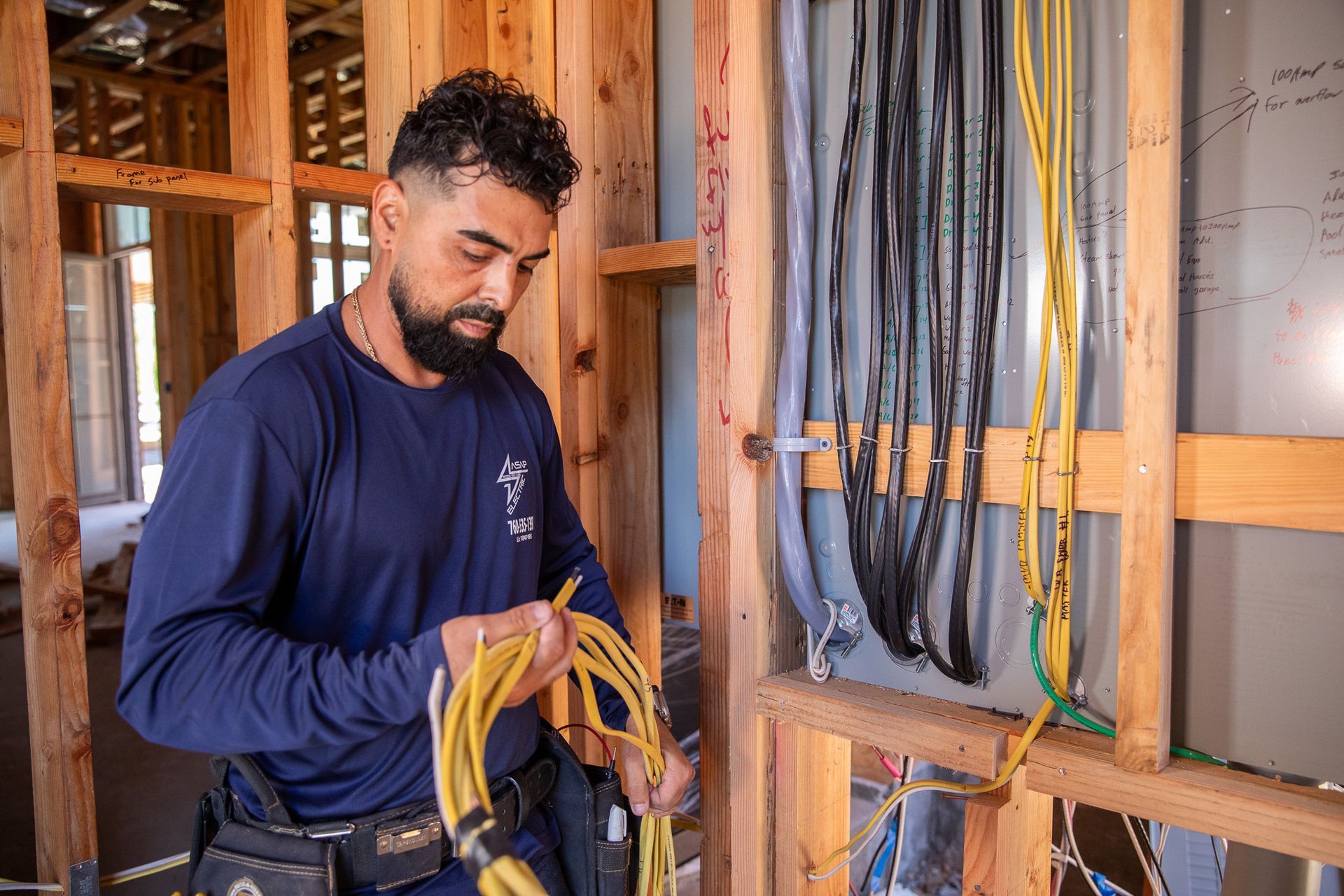
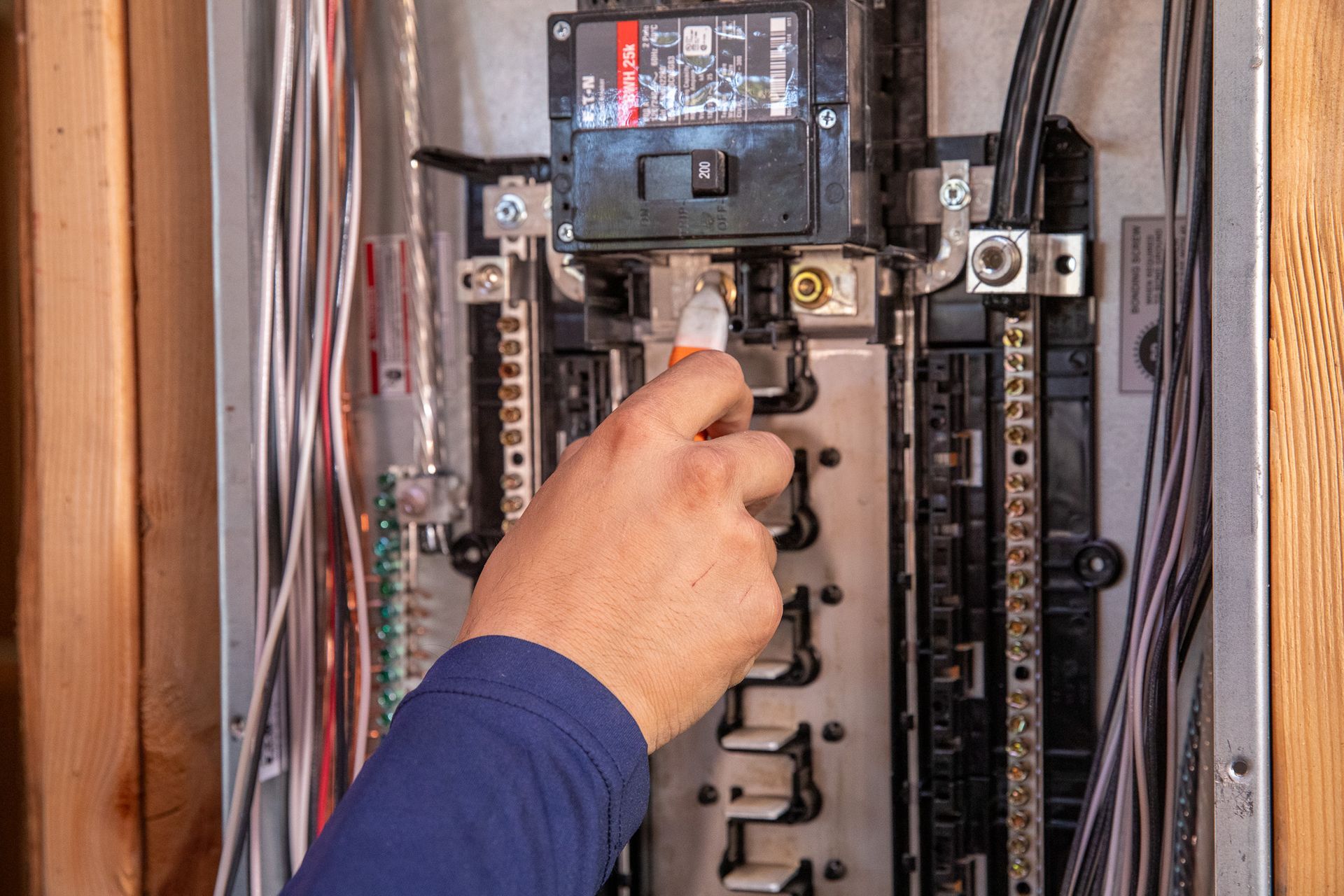
The modern home is changing rapidly. What was considered a sufficient electrical system just ten years ago may struggle to support today's growing demand for solar energy, electric vehicles, battery storage systems, smart home technology, and high-efficiency appliances.
Many Southern California homeowners are excited about upgrading their homes with solar panels, EV chargers, smart thermostats, automated lighting, and connected devices. However, these technologies all rely on one critical component that is often overlooked: your electrical system.
Before investing in home modernization projects, it's important to ensure your home's electrical infrastructure is ready to handle the additional demand. Future-proofing your electrical system today can help you avoid costly upgrades later while maximizing the performance of your home's technology.
Why Electrical Capacity Matters More Than Ever
The average home uses significantly more electricity today than it did just a generation ago. Between larger HVAC systems, electric vehicle charging, home offices, battery storage systems, and smart devices, electrical demand continues to grow.
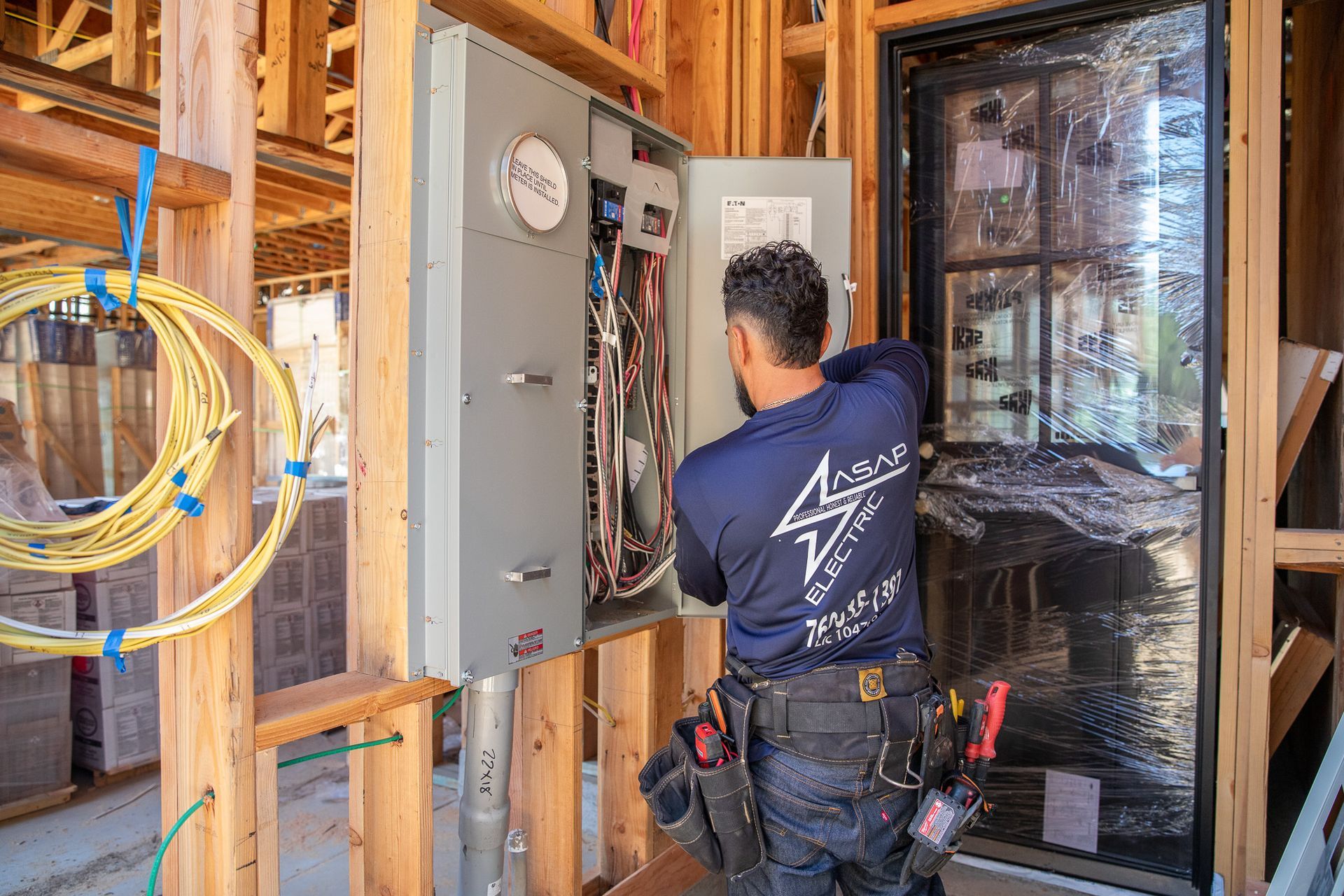
Many older homes throughout San Diego County still operate with outdated electrical panels that were never designed to support modern energy needs. As homeowners add EV chargers, solar systems, heat pumps, and other high-demand technologies, panel capacity quickly becomes a concern. ASAP Electric regularly performs 200A and 400A panel upgrades because many existing systems cannot adequately support today's electrical loads.
If your goal is to create a truly future-ready home, evaluating your electrical infrastructure should be one of the first steps.
Start with a Solar-Ready Electrical Panel
One of the most important upgrades homeowners can make is installing a solar ready electrical panel.
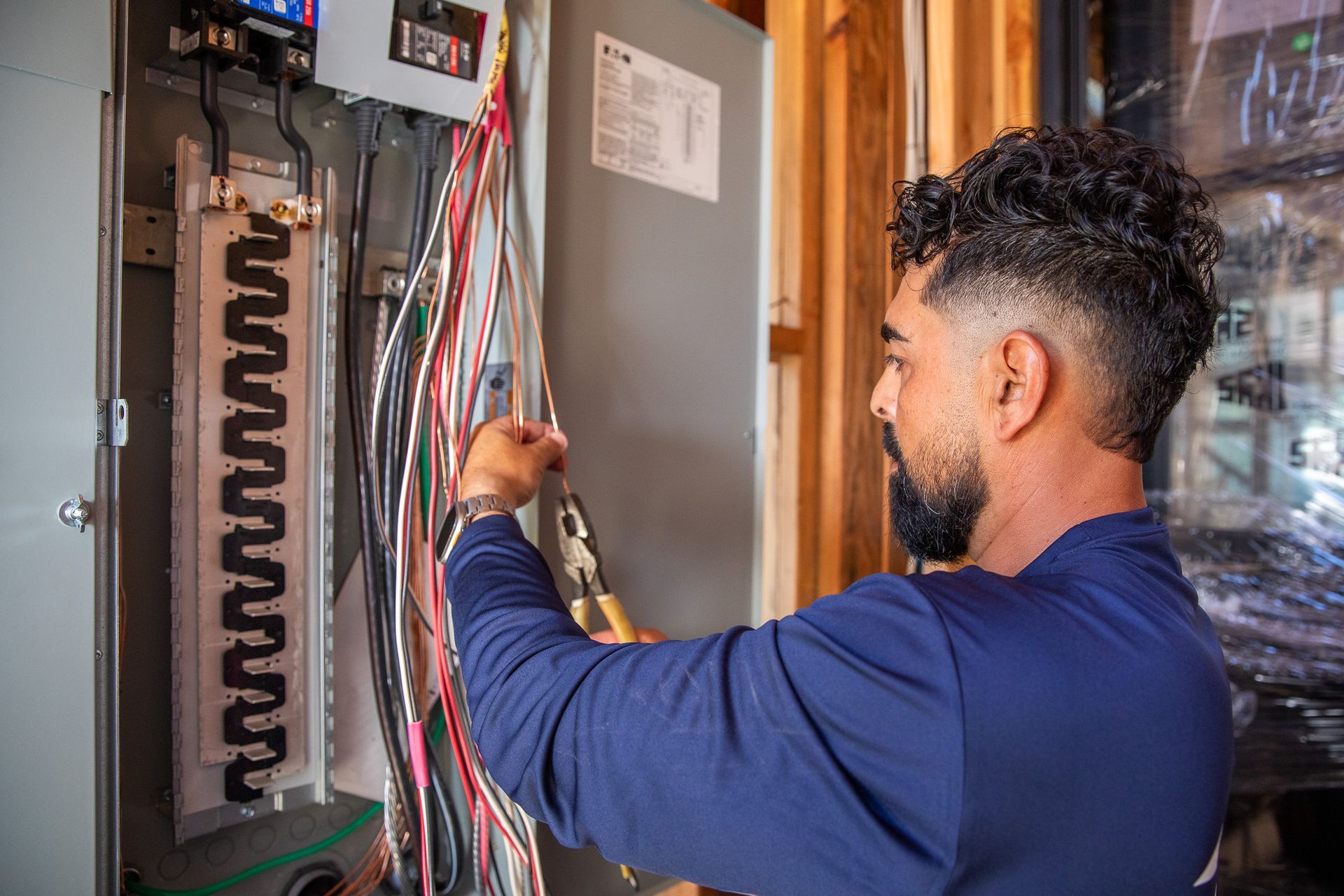
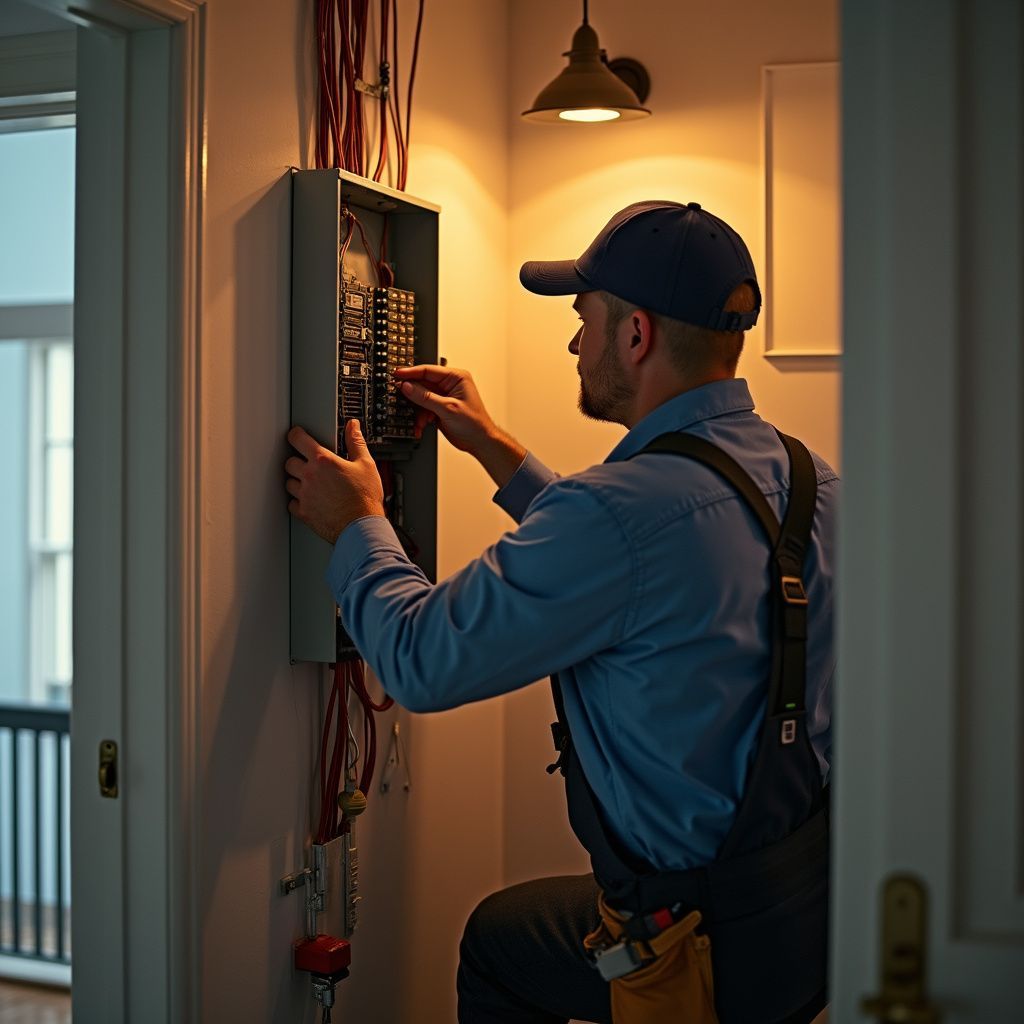
Your electrical panel serves as the central hub of your home's electrical system. When solar panels are added, electricity flows through the panel and must be safely distributed throughout the home.
Older panels often present challenges such as:
- Limited breaker space
- Insufficient amperage capacity
- Outdated equipment
- Difficulty accommodating solar interconnections
- Reduced ability to support future expansions
A properly sized panel upgrade creates room for future technologies while helping ensure code compliance and long-term reliability. Many solar installations require panel evaluations to determine whether upgrades are needed before installation can proceed safely.
Evaluate Your Home's Future Energy Needs
One of the biggest mistakes homeowners make is planning only for current usage.
Instead, think about where your home will be in the next five to ten years.
Questions worth considering include:
- Will you install solar panels?
- Are you planning to purchase an electric vehicle?
- Will you add battery storage?
- Are you considering an ADU?
- Will you upgrade to electric appliances?
- Do you plan to add a pool or spa?
- Are you interested in whole-home automation?
A professional load calculation can help determine whether your current service is sufficient or if a larger panel is necessary. Future-focused planning is one reason ASAP Electric emphasizes load calculations and electrical planning for additions, EV charging, and home upgrades.
Prepare for Smart Home Integration
Smart homes are no longer a luxury feature. From lighting and security systems to energy management and climate control, connected devices are becoming standard in modern homes.
However, smart technology performs best when supported by proper smart home wiring and electrical infrastructure.
Homeowners should consider:
- Structured wiring layouts
- Dedicated circuits for technology systems
- Smart switches and dimmers
- Network infrastructure planning
- Smart energy monitoring systems
- Whole-home surge protection
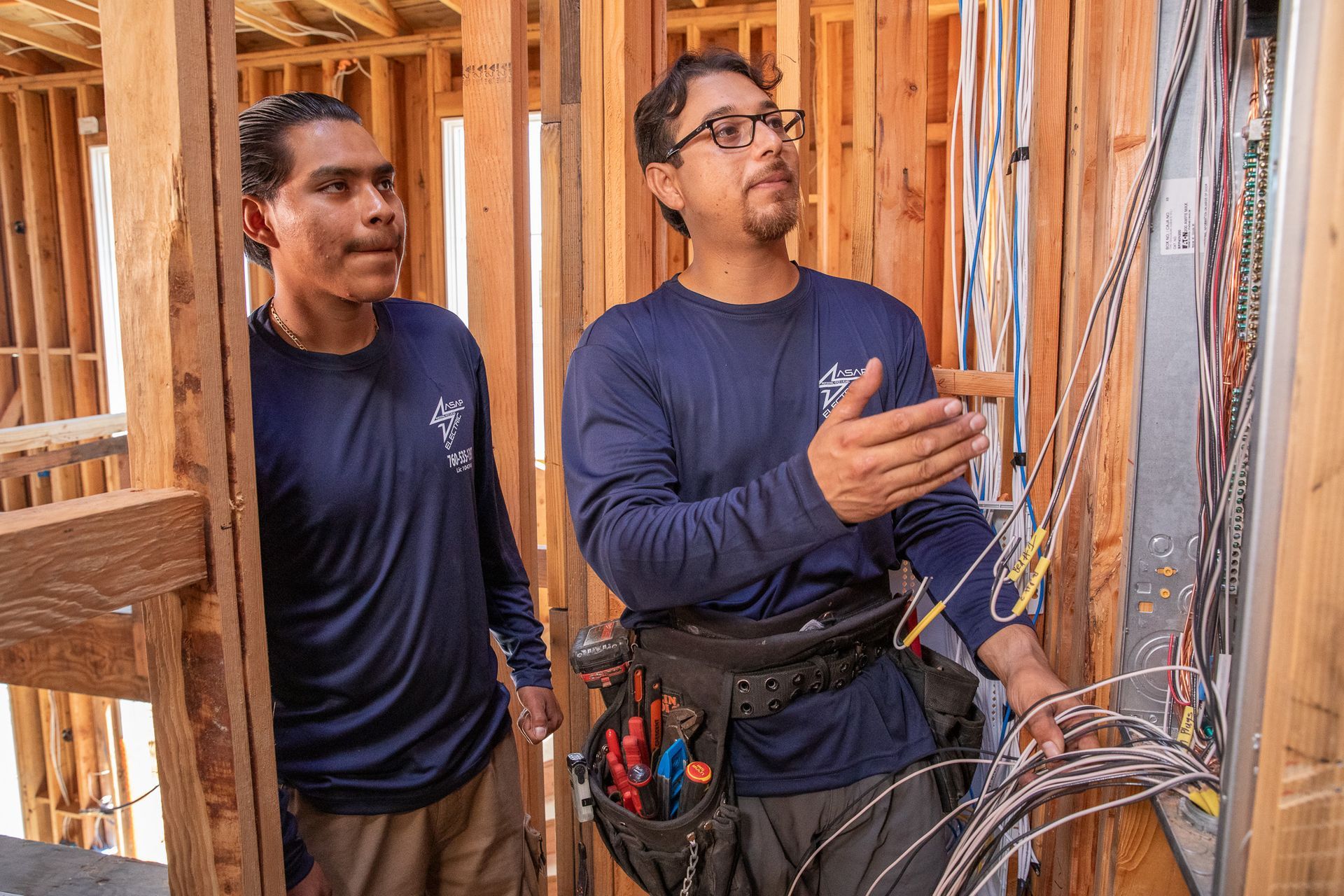
Installing wiring during remodels or electrical upgrades is significantly easier and less expensive than retrofitting systems later. Proper planning creates flexibility for future smart home additions while minimizing disruption. Smart home integration often requires specialized wiring and infrastructure designed to support automation, security, lighting, and energy management systems.
Don't Forget About EV Charging
Electric vehicle ownership continues to grow throughout Southern California.
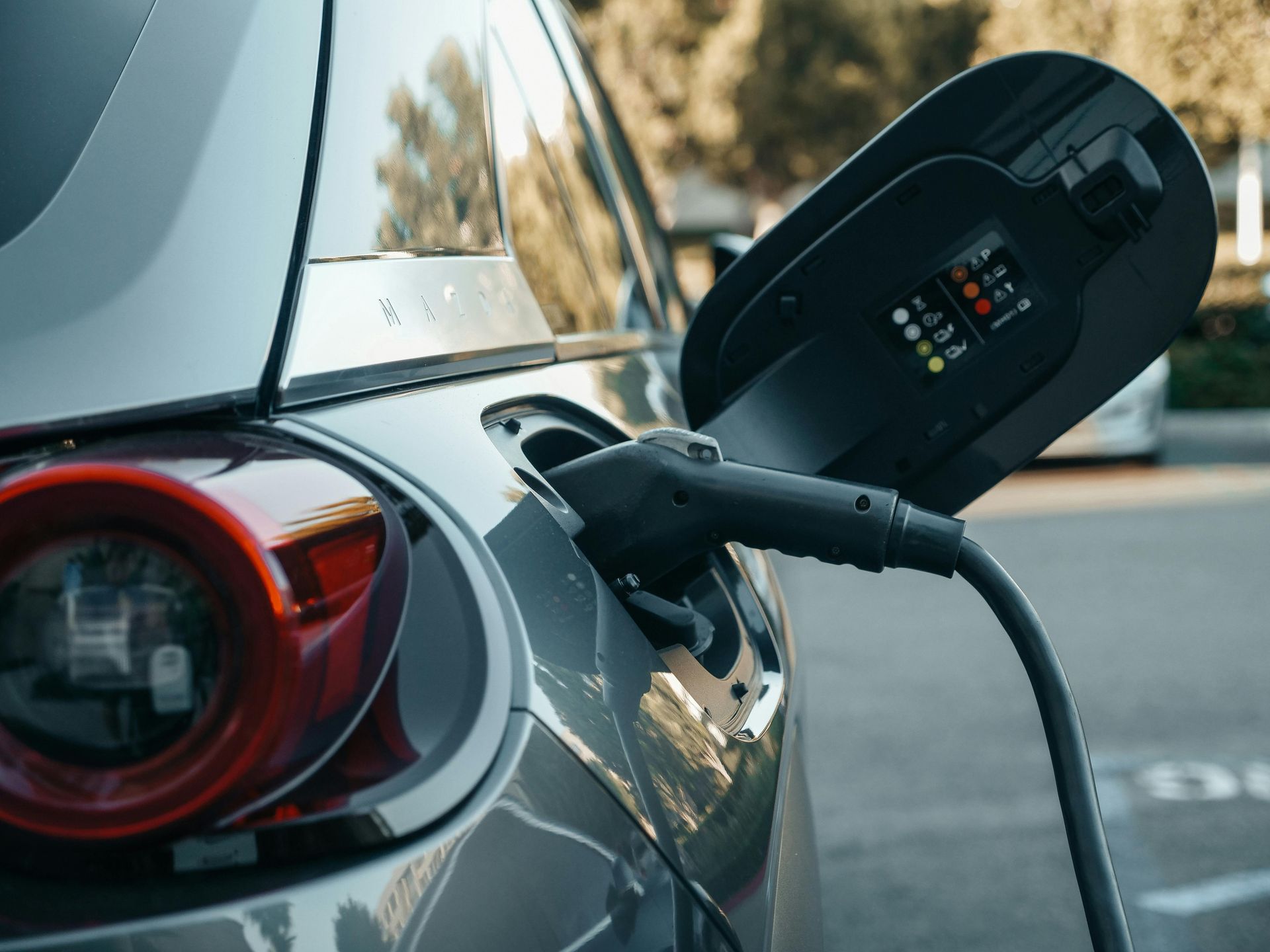
Many homeowners install solar panels only to discover later that they also need electrical upgrades to support EV charging. Since EV chargers are among the highest-demand electrical loads found in residential properties, they should be included in long-term planning discussions.
A future-ready electrical system should account for:
- Level 2 EV charging
- Multiple vehicle charging stations
- Dedicated circuits
- Load balancing considerations
- Potential battery storage integration
Planning for EV charging now can eliminate the need for additional electrical work later.
Understand Load Management
As homes become more electrified, load management is becoming increasingly important.
Load management refers to monitoring and controlling how electricity is distributed throughout the home. This helps prevent electrical overloads while maximizing efficiency.
Modern electrical systems may include:
- Smart electrical panels
- Energy monitoring technology
- Load-sharing systems
- Battery integration
- Automated circuit controls
These technologies help homeowners manage energy consumption more effectively while supporting solar production, EV charging, and smart home devices simultaneously. Industry discussions around smart panels frequently highlight their ability to monitor usage and help homeowners better understand electrical demand patterns.
Consider Whole-Home Rewiring for Older Homes
While panel upgrades solve many issues, some older homes may require additional electrical improvements.
Homes built decades ago often have wiring systems that were never intended to support modern electrical demands. Whole-home rewires can improve safety, reliability, and future capacity while bringing the home up to current standards.
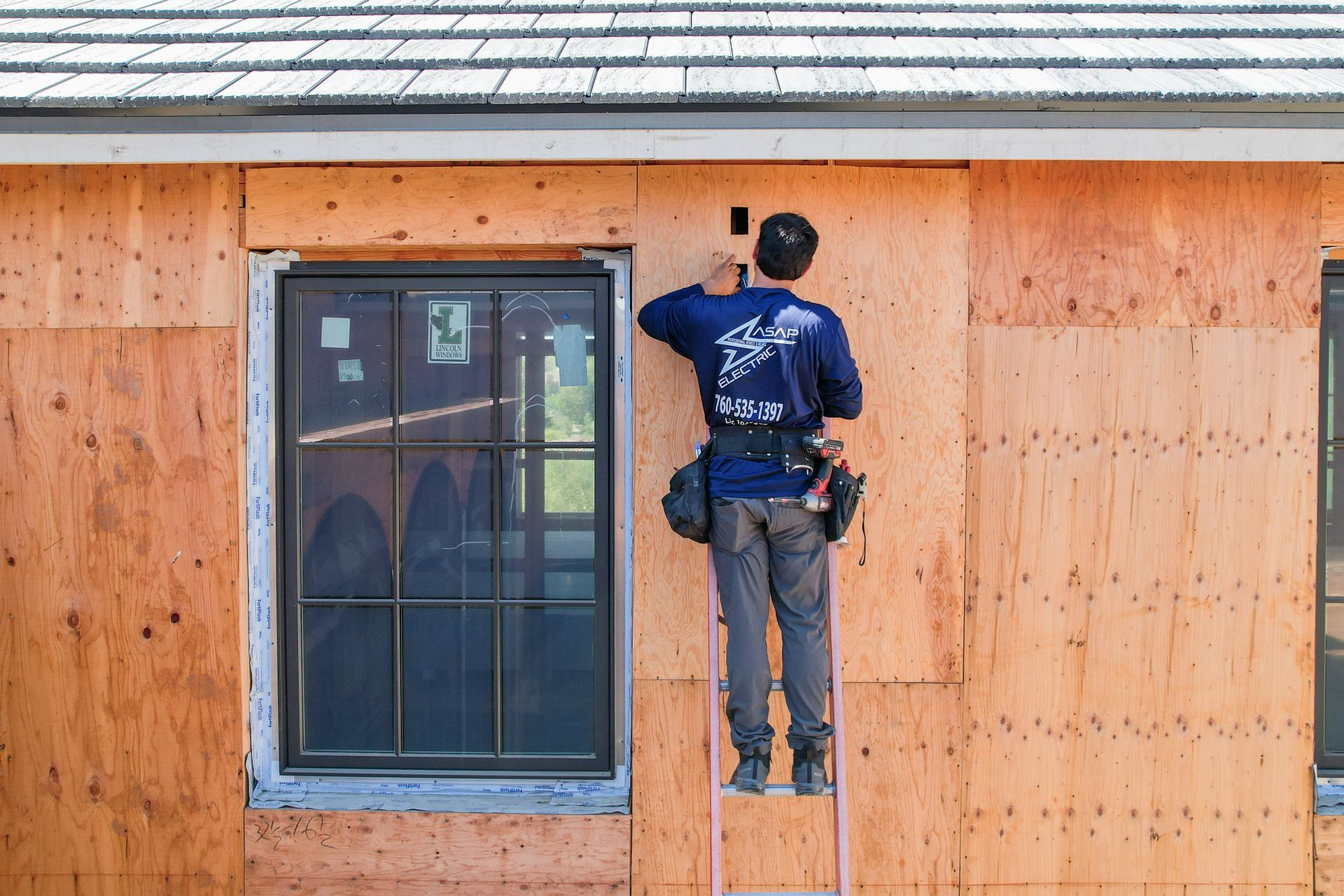
ASAP Electric provides whole-house rewires and structured electrical layouts specifically designed to support modern living, home renovations, and future technology upgrades.
Warning signs that may indicate wiring upgrades are needed include:
- Frequent breaker trips
- Flickering lights
- Limited outlets
- Outdated electrical panels
- Home additions completed without electrical upgrades
- Increased reliance on extension cords
Work with an Electrician Who Plans for the Future
The most successful home modernization projects begin with a comprehensive electrical assessment.
Rather than addressing individual upgrades one at a time, homeowners can benefit from creating a long-term electrical roadmap that accounts for solar energy, EV charging, battery storage, smart home technology, and future household needs.
An experienced electrician can evaluate your home's current capacity, identify limitations, and recommend upgrades that align with both your immediate goals and future plans.
Build a Home That's Ready for What's Next
Solar panels, smart devices, battery systems, and electric vehicles are transforming how homeowners use electricity. The homes that benefit most from these technologies are the ones built on a strong electrical foundation.
Whether you're planning a solar installation, upgrading your home's technology, or simply preparing for the future, investing in a solar ready electrical panel, smart home wiring, and proper load management can help ensure your electrical system is ready for whatever comes next.
By upgrading your electrical system strategically today, you'll be better positioned to enjoy greater efficiency, convenience, safety, and flexibility for years to come.