Spring is a popular time for San Diego homeowners to take advantage of EV incentives and consider upgrading to an electric vehicle. Installing a home EV charger can make daily driving convenient and cost-effective, but it’s important to plan ahead. Understanding outlet requirements, Level 2 charging, panel capacity, and the permit process will save you time, money, and potential headaches.
If you’re looking for
EV charger installation in San Diego, a
home EV outlet, or a
240V charging station, this guide will help you prepare for a safe and efficient installation.
Understanding Charging Options for Your Home
There are two common types of EV chargers for residential use:
Level 1 (120V)
Level 1 chargers plug into a standard household outlet and provide roughly 3–5 miles of range per hour. This may be sufficient for occasional driving or plug-in as a backup, but it’s slow for daily commuting.
Level 2 (240V)
Most homeowners choose a Level 2 charger because it provides faster charging — typically 15–30 miles of range per hour. Level 2 chargers require a dedicated 240V circuit, either through a hardwired connection or a specialized outlet. For homeowners in San Diego, a Level 2 charging station ensures your EV is ready each morning without the frustration of slow charging times.
Choosing the right charger for your home depends on your daily driving habits, vehicle range, and available electrical capacity.
Outlet and Circuit Requirements
A Level 2 charger requires more than a standard outlet. Proper installation involves:
- A
dedicated 240V circuit
with the correct amperage
- A
charging outlet, typically NEMA 14-50, or a hardwired connection
- Properly sized wiring and breakers
Installing a charger on a standard household outlet is unsafe and can overload your electrical system. A licensed electrician will assess your home’s wiring, install the appropriate outlet, and confirm that your system can handle the additional load safely.
Panel Load and Capacity Considerations
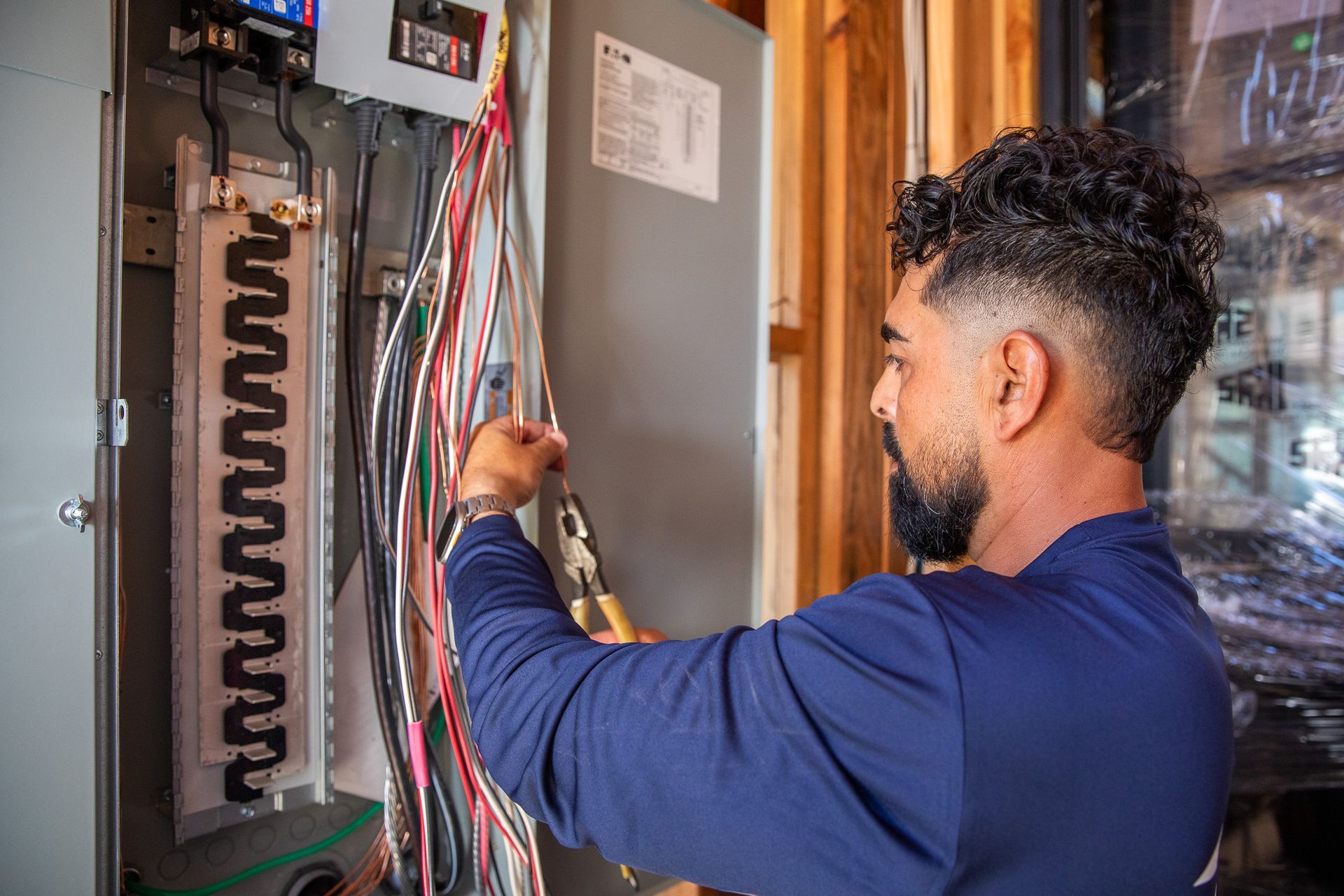
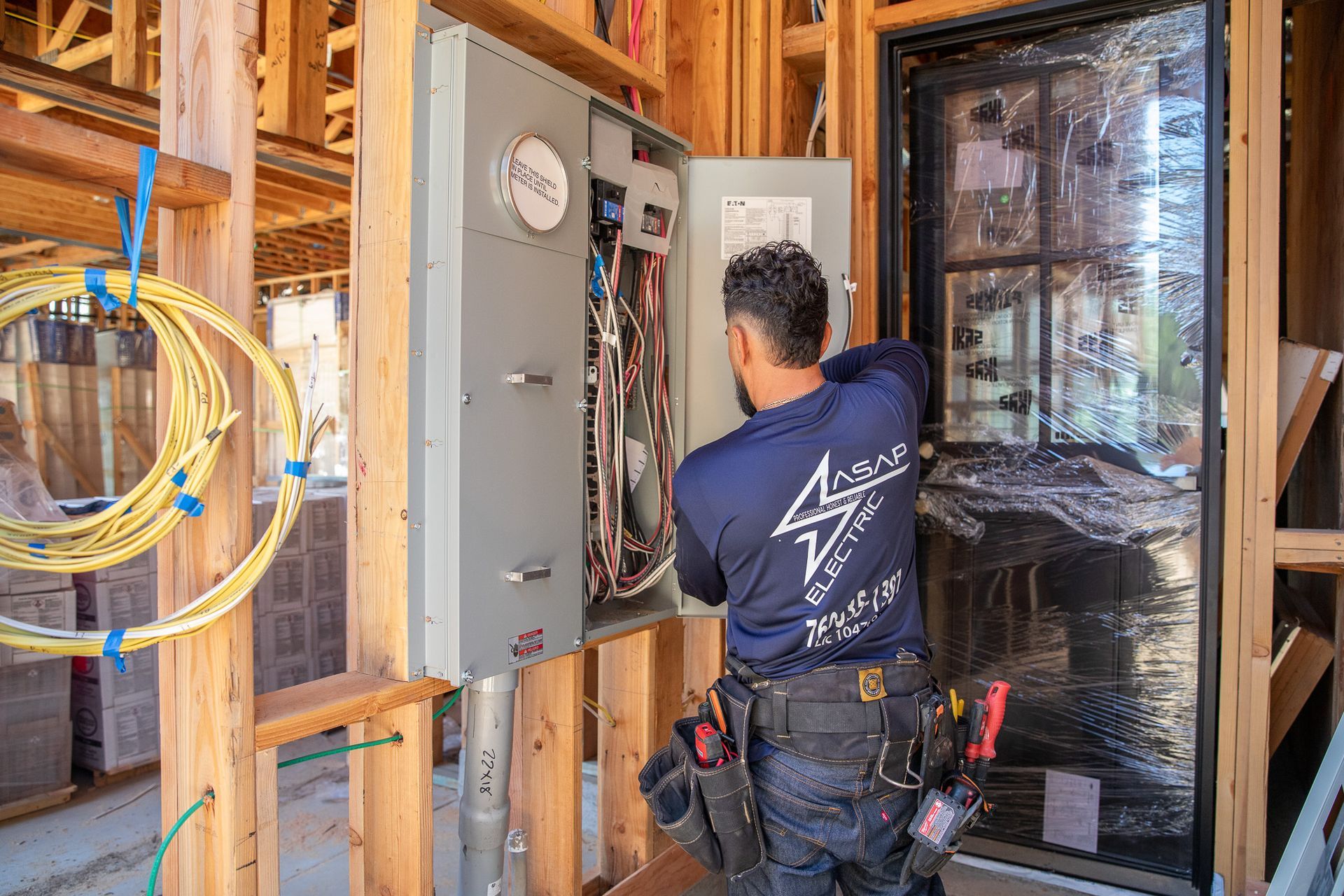
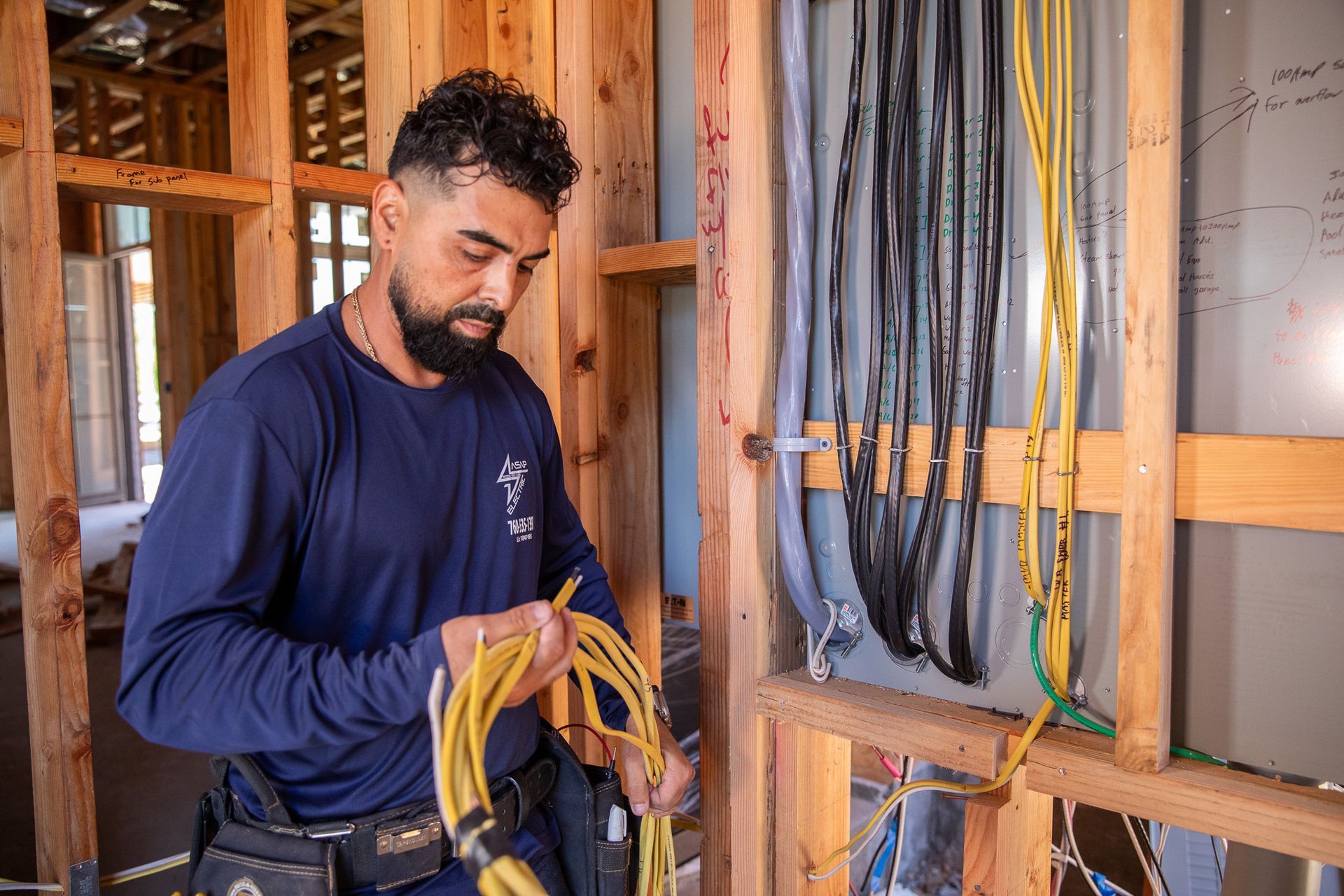
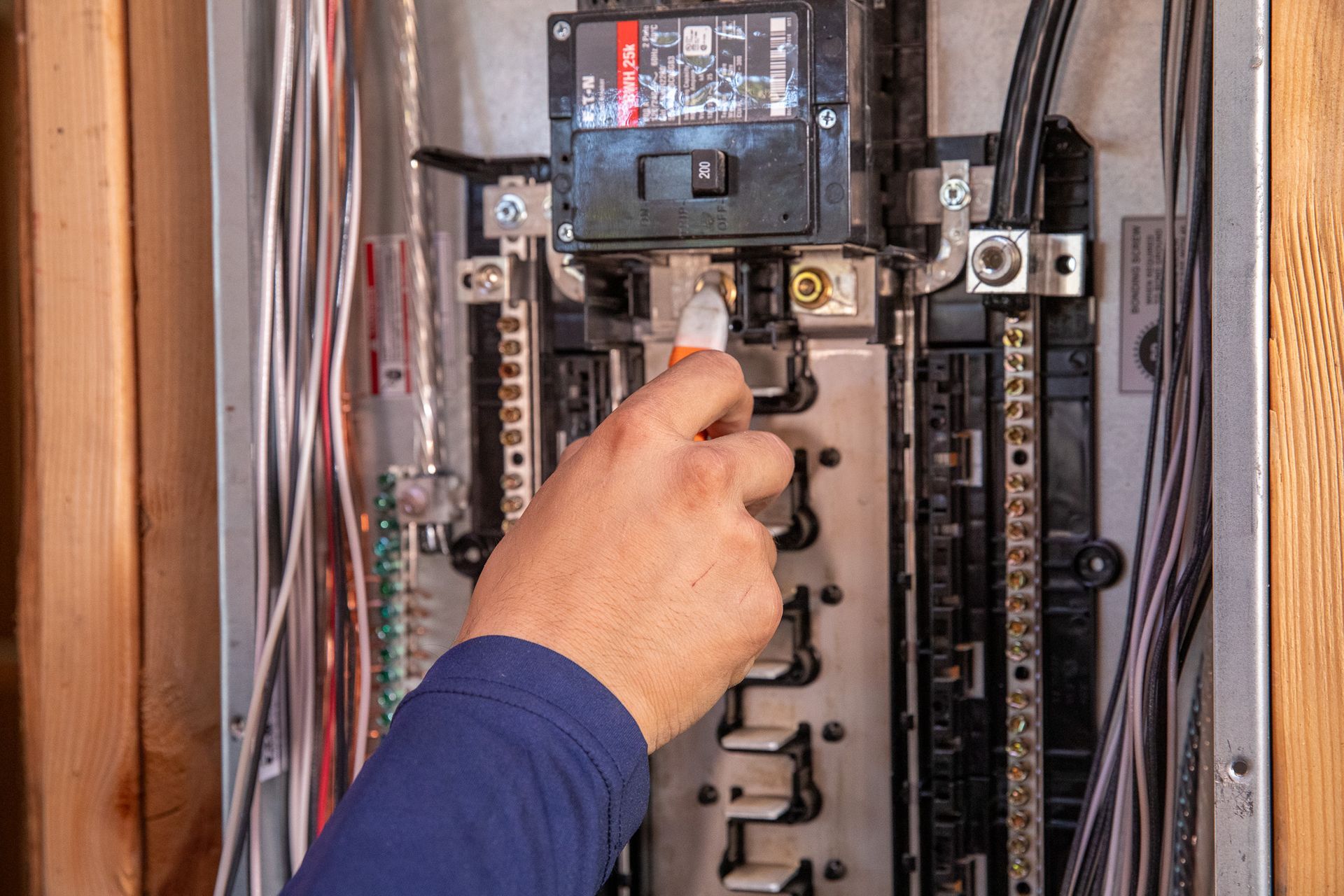
Before installing a Level 2 charger, it’s important to evaluate your home’s electrical panel. Many older homes have panels that are not designed to support high-demand appliances.
A licensed electrician will check:
- Service panel capacity:
Ensuring your panel can handle the new load
- Available breakers:
Making sure there is space for a dedicated EV circuit
- Load calculations:
Determining whether a panel upgrade or subpanel is necessary
Upgrading your panel provides flexibility for future electrical needs, such as air conditioning, pool equipment, or home renovations. It also ensures your EV charger operates safely and efficiently.
Permits and Inspections in San Diego
In San Diego, a permit is typically required for EV charger installation, particularly when installing a 240V outlet or uprading your panel. Permits ensure:
- Work meets local and national electrical codes
- Your home insurance remains valid
- Inspections verify the installation is safe and compliant
ASAP Electric handles the permit process from start to finish, making it easy for homeowners to comply with regulations without stress or delay.
Choosing the Right EV Charger
Selecting the right EV charger involves more than just plug type. Homeowners should consider:
- Amperage and charging speed:
Higher amperage charges faster but requires appropriate wiring
- Connector type:
Ensure compatibility with your vehicle
- Smart features:
Some chargers allow scheduling, monitoring, and energy management
- Durability:
Chargers installed outdoors need weather-resistant enclosures
Most San Diego homes benefit from a 240V Level 2 charger rated for 32–40 amps, which balances fast charging and electrical compatibility.
The Importance of Professional Installation
Installing an EV charger requires skill and experience. Attempting a DIY installation can lead to:
- Tripped breakers or overloaded circuits
- Safety hazards due to improper grounding or wiring
- Reduced performance of your charger
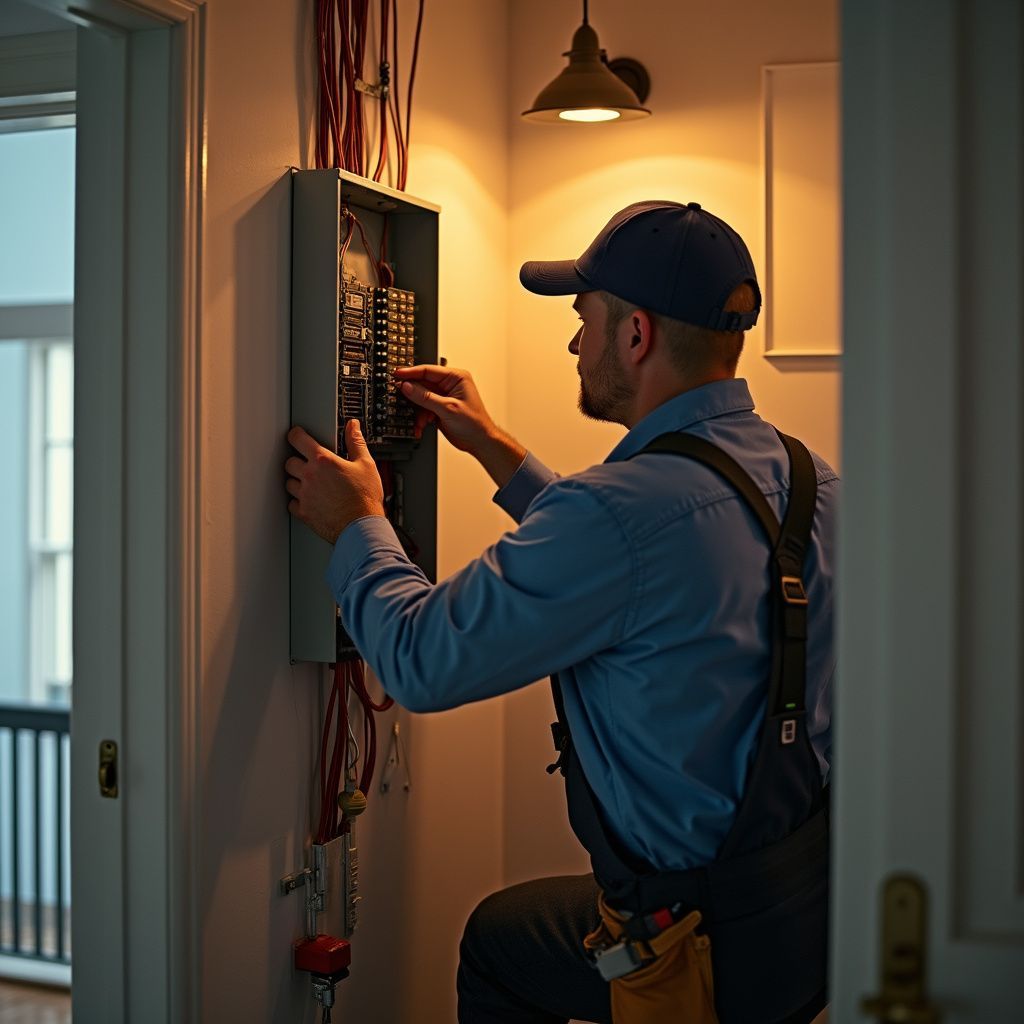
Professional installation ensures your system is code-compliant, safe, and optimized for daily use. Licensed electricians can handle panel upgrades, outlet installation, and testing to provide peace of mind.
Planning Your Installation
To make your EV charger installation straightforward and efficient:
- Schedule an assessment:
A licensed electrician evaluates your panel and electrical system
- Select the charger:
Decide on Level 2 amperage, connector, and features
- Obtain permits:
Ensure local approvals for safe and compliant installation
- Install and test:
A professional electrician installs your charger and confirms operation
With careful planning, your EV charger can be ready in a single visit, allowing you to enjoy the convenience of home charging without complications.
Schedule Your EV Charger Installation Today
ASAP Electric specializes in
EV charger installation in San Diego, providing full-service solutions including panel assessments, 240V outlet installation, permit management, and final inspection. Our goal is to make home charging safe, efficient, and hassle-free.
Don’t wait — spring is the perfect time to upgrade your home and take advantage of available EV incentives.